Originally developed as stables and carriage houses for the grand residences along Queen's Gate, this mews was a vital part of London's transportation history.
During World War II, the Aggregate Night Time Bomb Census recorded a high explosive bomb falling directly onto the Mews. In the past, the area was noted as having comfortable living conditions and ordinary household earnings for the time when the London Poverty Maps were first published.
The Mews is part of Kensington’s ‘Queen’s Gate’ conservation Area. Containing grand terraces, garden squares and intimate Mews, the Conservation Area was designated in 1969. It is bounded in the north and east sides by Westminster and incorporates London’s primary Museums.
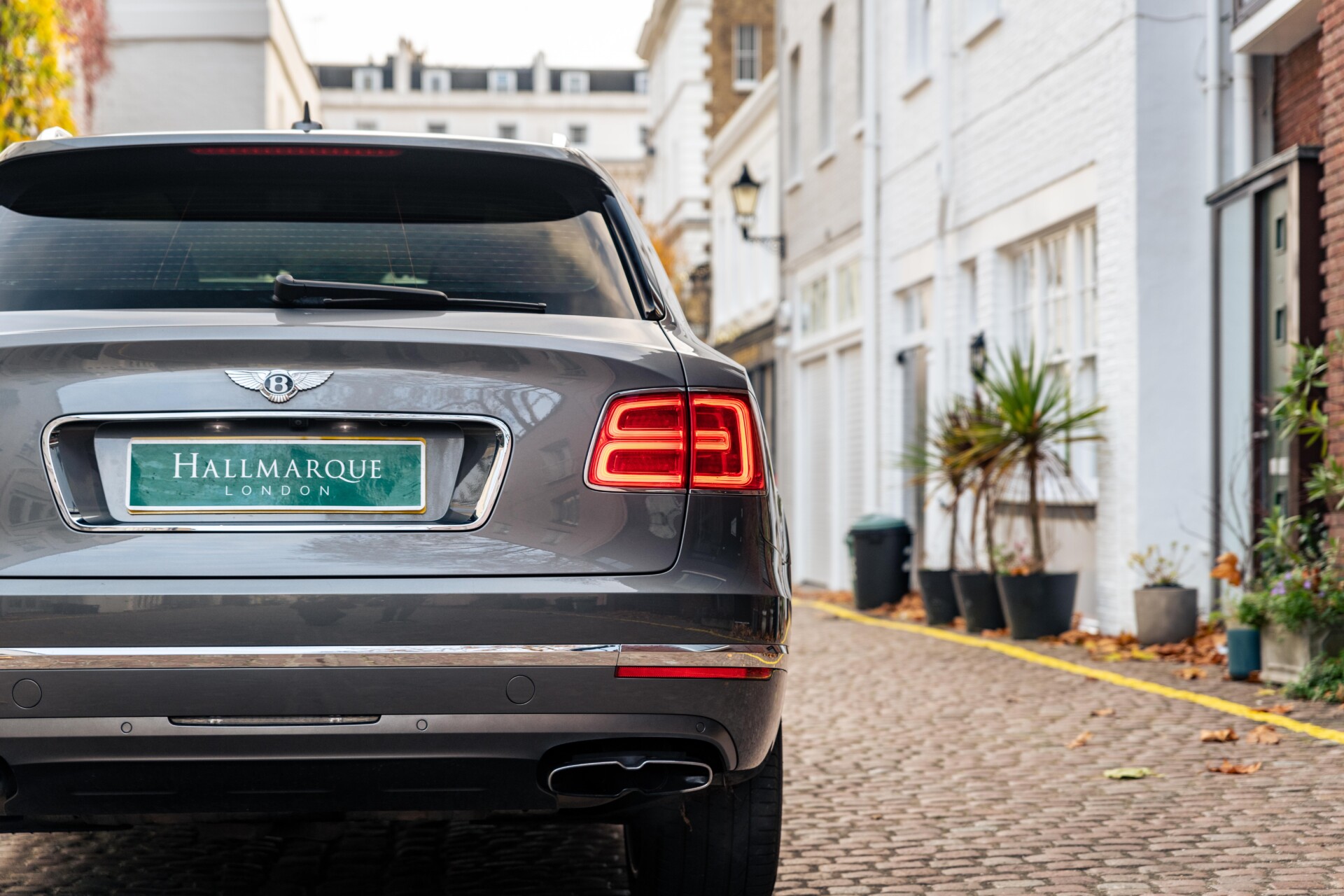
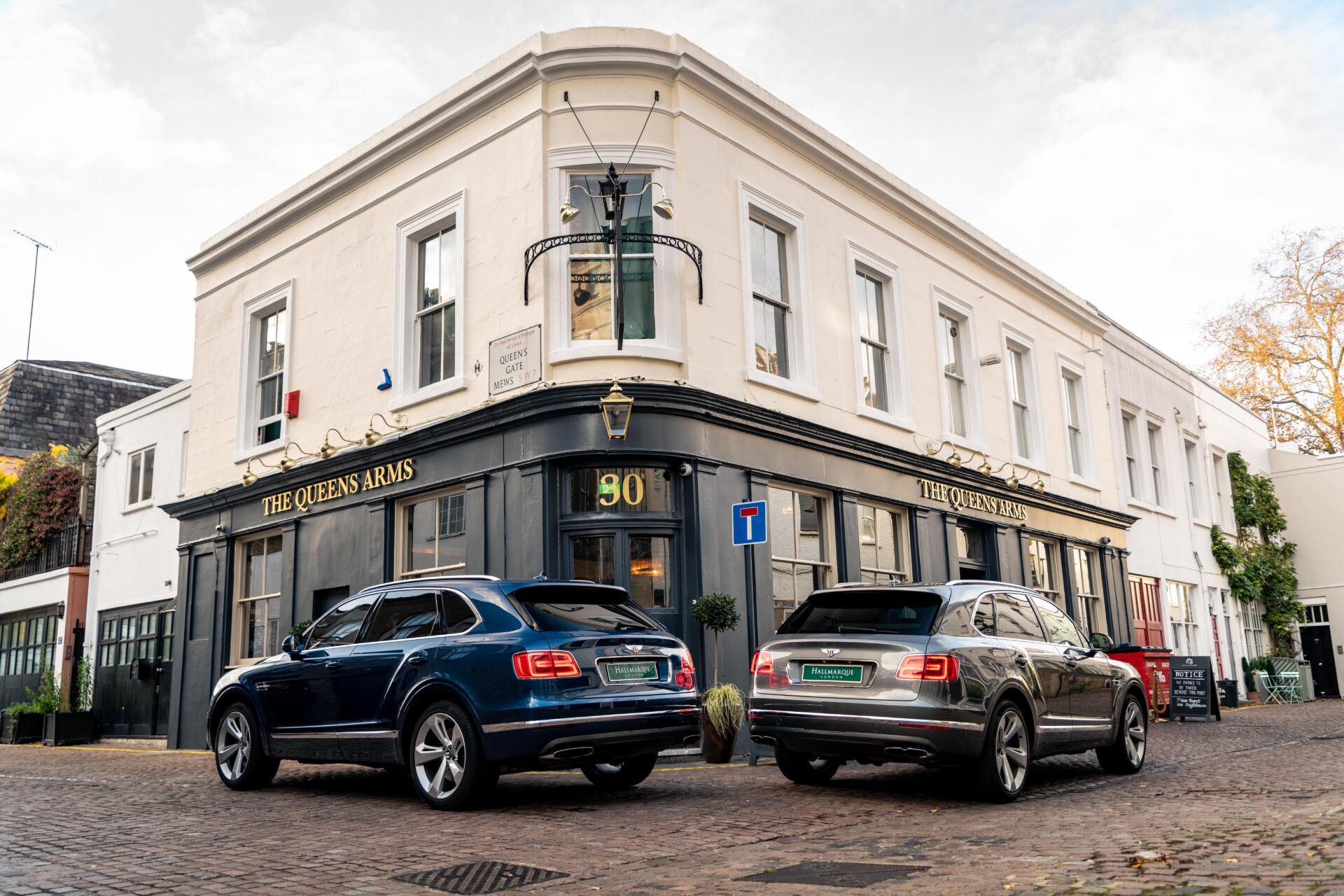
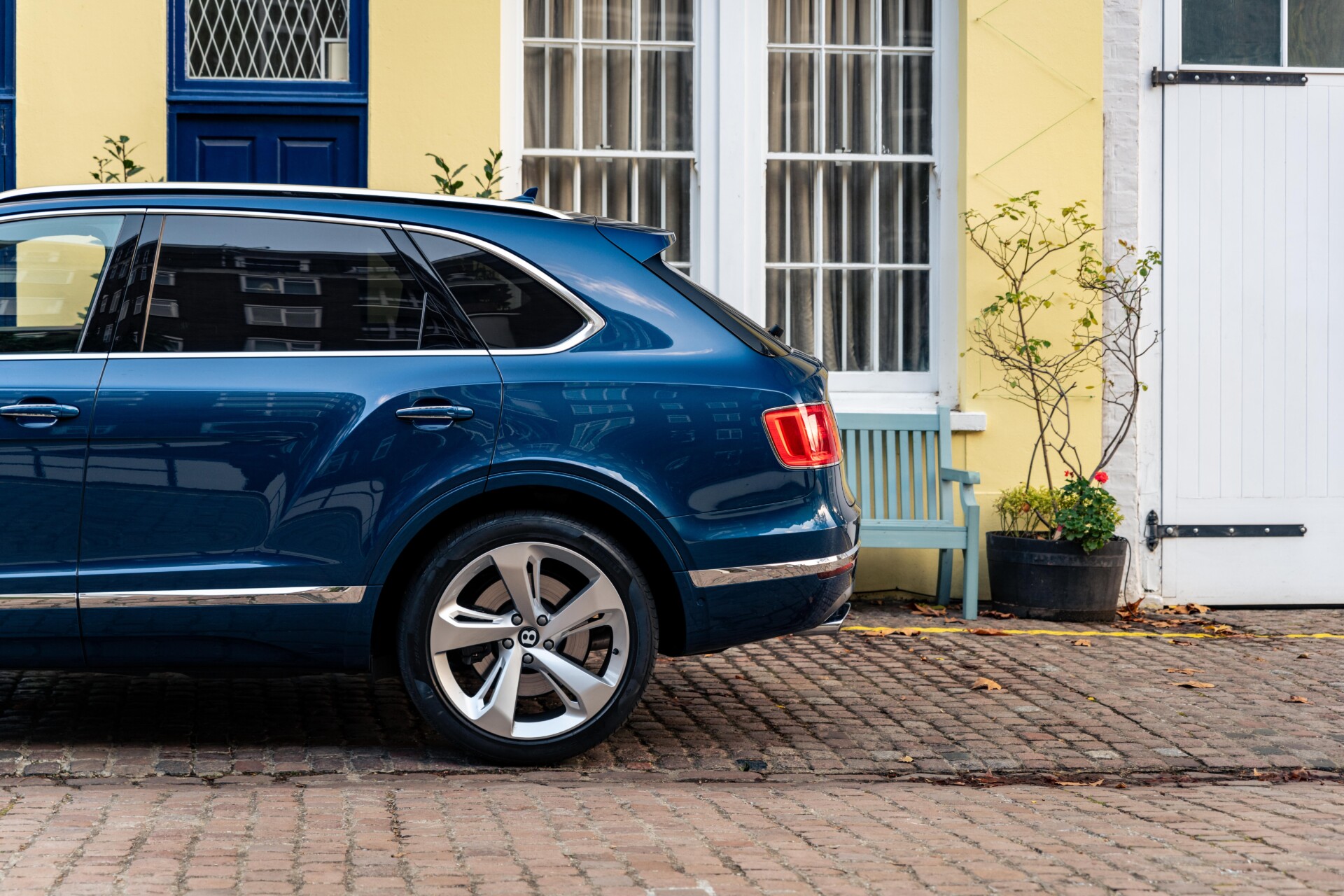
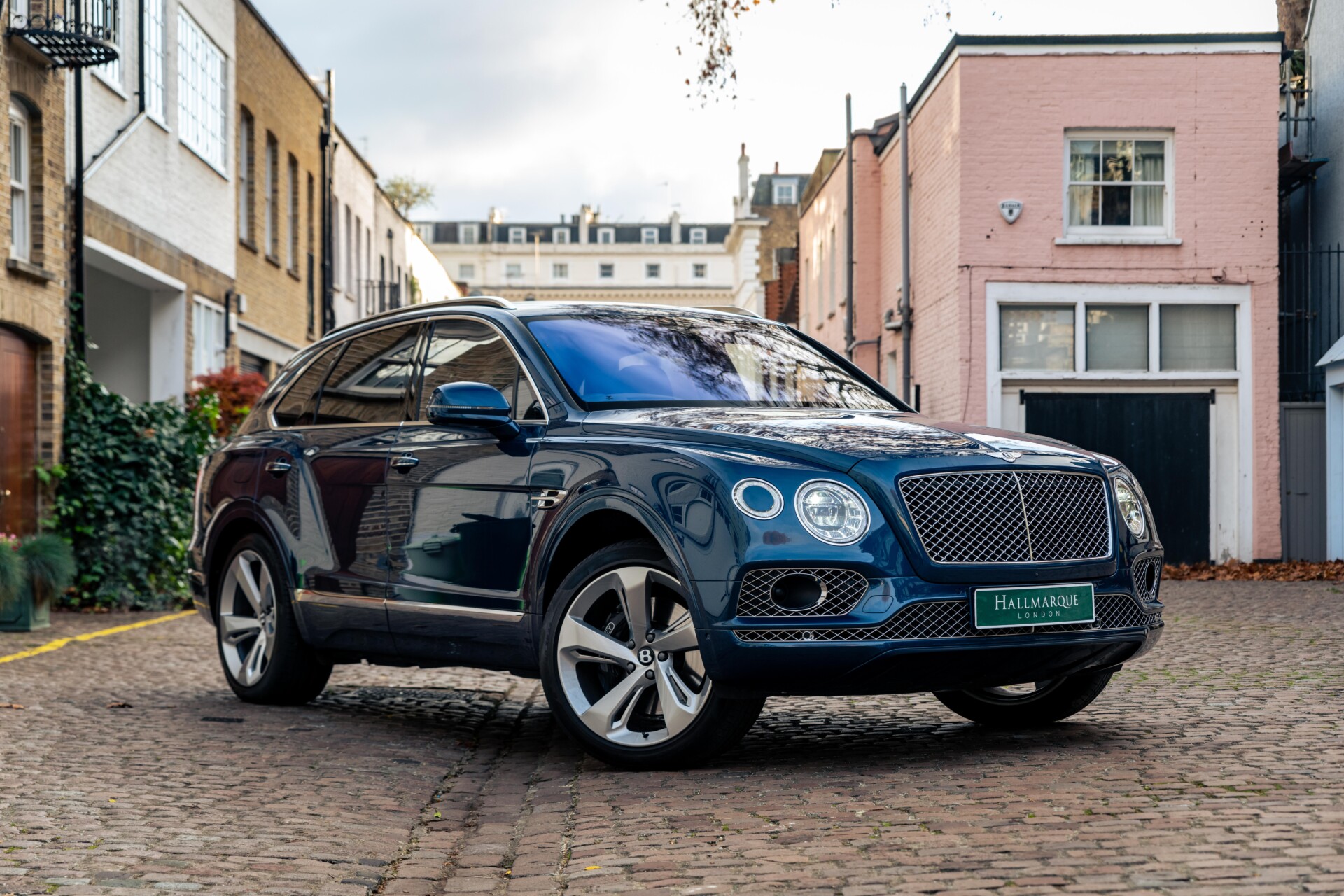
The one, two, three and seven storey properties have rendered or painted brickwork facades with a variety of different roof styles, surrounded by a cobbled road surface. There are wooden and metal bressumers, along with many seats, benches and plants
When most people think of London, they conjure images of iconic landmarks like Big Ben, Buckingham Palace, and the Tower Bridge. While these tourist hotspots are undoubtedly captivating, they only scratch the surface of what this vibrant city has to offer. If you're looking for a hidden gem in the heart of London, one place that should be on your radar is Queen's Gate Mews.
Queen's Gate Mews has a rich history that dates back to the 19th century. Originally developed as stables and carriage houses for the grand residences along Queen's Gate, this mews was a vital part of London's transportation history. Today, you can still see the beautiful Victorian architecture that characterizes the mews, including ornate facades, wrought-iron gates, and colorful blooms that decorate the windowsills.
Location: Queen's Gate Mews is situated in the Royal Borough of Kensington and Chelsea, one of London's most prestigious areas.
Architectural Style: Like many mews streets in London, Queen's Gate Mews features charming and historic architecture. Mews streets typically consist of converted stables and carriage houses, which have been repurposed into residential properties. They often have cobbled streets and are known for their picturesque appearance.
Residential Area: Queen's Gate Mews primarily consists of residential properties,
Proximity to Attractions: It is located close to some of London's most famous attractions, including the Natural History Museum, the Victoria and Albert Museum, and Hyde Park.
Transport: The mews is well-connected to public transportation, with South Kensington Underground Station nearby, providing easy access to the London Underground network.
Local Amenities: The area is rich in amenities, including boutique shops, restaurants, cafes, and cultural institutions.